
Alhambra Green Waste Disposal Services
Choose our Green Waste Disposal for reliable, environmentally responsible service that keeps your property clean while helping protect our planet—experience hassle-free pickups, expert handling, and a commitment to sustainability.
Get a Free QuoteOur Alhambra Landscaping & Yard Care Services
When to Schedule Green Waste Disposal in Alhambra, Arizona – Seasonal Guide
In Alhambra, Arizona, timing your green waste disposal is crucial for maintaining a healthy and attractive landscape. The region’s unique climate—marked by hot, dry summers and mild winters—means that the optimal periods for green waste removal often align with the end of the winter frost (typically late February) and after the monsoon season in early fall. Neighborhoods near Grand Avenue or Encanto Park, for example, experience varying shade coverage and soil types, which can influence the accumulation and decomposition of organic debris.
Local environmental factors such as drought risk, humidity fluctuations, and municipal guidelines play a significant role in determining the best disposal schedule. For instance, areas with dense tree canopies, like those around Alhambra Traditional School, may require more frequent service due to increased leaf and branch drop. Before scheduling, it’s wise to check local municipal resources for any seasonal restrictions or collection events that could impact your plans.
Local Factors to Consider for Green Waste Disposal in Alhambra
- Tree density and species in your yard
- Proximity to landmarks or shaded areas (e.g., Encanto Park)
- Seasonal precipitation and monsoon patterns
- Soil type and drainage characteristics
- Municipal collection schedules and restrictions
- Risk of drought or frost events
Benefits of Green Waste Disposal in Alhambra
Eco-Friendly Landscaping Solutions
Efficient Green Waste Removal
Promotes Healthy Plant Growth
Reduces Landfill Waste
Improves Curb Appeal
Supports Local Sustainability
Alhambra Green Waste Disposal Types

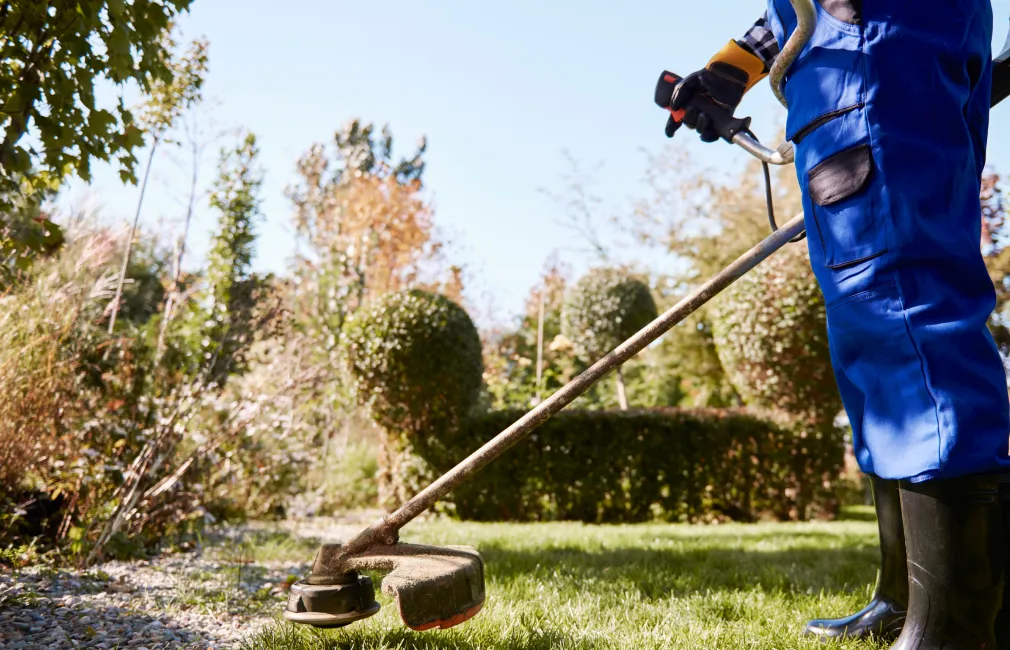
Grass Clippings
-
Tree Branches
-
Shrub Trimmings
-
Leaves Collection
-
Garden Weeds
-
Palm Fronds
-
Wood Chips
Our Green Waste Disposal Process
Collection of Green Waste
Sorting and Separation
Transport to Disposal Facility
Eco-Friendly Processing
Why Choose Alhambra Landscape Services
-
Alhambra Homeowners Trust Us
-
Expert Lawn Maintenance
-
Reliable Irrigation Solutions
-
Competitive Pricing
-
Professional Team
-
Satisfaction Guarantee
-
Personalized Service
Coordinating Green Waste Disposal Through Phoenix Public Works in Alhambra
Alhambra is a designated village within the City of Phoenix, and all green waste disposal operations fall under Phoenix's municipal solid waste and public works framework. Residents and property managers should coordinate with the city's bulk trash and green waste collection programs, which handle organic materials such as tree trimmings, shrub clippings, grass cuttings, and other yard debris generated from routine landscape maintenance. The city operates scheduled collection cycles by neighborhood, and property owners should verify their assigned pickup period through the city's online tools or by contacting the department directly. Commercial properties and multi-family complexes may be subject to separate hauling and disposal requirements that differ from single-family residential service.
- Green waste must be separated from household trash and placed according to city guidelines during designated collection windows
- Tree branches and brush should be cut to manageable lengths and stacked neatly at the curb, away from storm drain inlets and utility infrastructure
- Loose clippings and leaves should be contained in appropriate receptacles rather than left in open piles where wind or monsoon runoff could carry them into streets or drainage channels
- Property managers overseeing multiple units should confirm whether their properties qualify for city collection or require contracted private hauling
Phoenix Public Works Department
Official Website: Phoenix Public Works Department
How Alhambra's Low-Desert Heat and Soils Affect Green Waste Disposal
Alhambra sits within the Phoenix metro low desert, classified under USDA Hardiness Zone 10a, where extreme summer temperatures routinely exceed 110°F and influence both the volume and character of green waste generated throughout the year. The area's alkaline, calcium carbonate–rich soils—often underlain by caliche hardpan—affect root systems and contribute to shallow-rooted tree failures during monsoon winds, producing sudden surges of storm-generated debris. Decomposed granite and compacted subdivision fill are common across older Alhambra lots, and these substrates dry rapidly, accelerating leaf drop and branch dieback during prolonged heat.
- Bermudagrass clippings accumulate heavily from late April through September, when active growth peaks under irrigation
- Overseeded winter ryegrass transitions in spring generate significant thatch and dead turf material requiring timely removal
- Mesquite, palo verde, and African sumac produce seasonal pod and leaf litter that concentrates along block walls and in drainage swales
- Monsoon storms from July through September can deposit large volumes of broken branches, palm fronds, and wind-scattered organic debris across properties in a single event
Stormwater Compliance and Disposal Regulations Affecting Alhambra Properties
Green waste disposal in Alhambra must comply with Phoenix's obligations under the Arizona DEQ Phase II MS4 stormwater program and the federal Clean Water Act. These regulations prohibit organic debris, yard clippings, and landscape waste from entering the municipal storm sewer system, which discharges into regional flood-control channels and ultimately the Salt River corridor. Property owners and landscape contractors are responsible for ensuring that green waste does not accumulate in curb gutters, block storm drain inlets, or wash into retention basins during irrigation or rainfall events.
- Dumping green waste in alleys, vacant lots, washes, or flood-control easements is a code violation subject to enforcement by the city
- Contractors performing large-scale landscape cleanups should transport green waste to authorized disposal or composting facilities rather than relying solely on curbside collection
- Properties adjacent to the Arizona Canal, Grand Canal, or local drainage corridors must take particular care to prevent organic material from entering waterways
- The Arizona Department of Environmental Quality provides stormwater compliance guidance applicable to both residential and commercial property maintenance
Arizona Department of Environmental Quality
Official Website: Arizona Department of Environmental Quality
Phoenix Water Services Department
Official Website: Phoenix Water Services Department
Timing and Methods for Green Waste Disposal in Alhambra's Climate
Professional timing of green waste disposal in Alhambra should align with the area's distinct seasonal landscape cycles and municipal collection schedules. The heaviest disposal demand typically occurs during three periods: spring transition when overseeded ryegrass dies back, mid-summer when bermudagrass and desert trees are actively pruned, and post-monsoon when storm debris requires prompt removal. Proper handling methods reduce fire risk, pest harborage, and stormwater contamination.
- Bundle branches and woody material securely; loose piles left curbside for extended periods attract rodents and create fire hazards during extreme heat
- Bag or contain grass clippings and leaf litter to prevent wind dispersal into neighboring properties and drainage infrastructure
- Schedule major landscape cleanouts before the monsoon season begins in late June to reduce the volume of material vulnerable to storm scattering
- Avoid staging green waste near block walls or structures where accumulated organic matter retains moisture and promotes termite activity
- For properties with mature desert-adapted trees, coordinate pruning and disposal before peak wind season to minimize emergency debris generation
What Neighborhoods Do We Serve Throughout Alhambra, AZ?
- Alhambra Village Core — Older residential lots with mature shade trees, established irrigation systems, and frequent leaf and branch litter requiring regular green waste collection
- Royal Palm — Mid-century homes with large yards, citrus trees, and bermudagrass lawns that generate substantial seasonal clipping and fruit-drop waste
- Colter Park Area — Properties near Colter Park feature irrigated turf and ornamental plantings that produce consistent green waste throughout the growing season
- Westwood Village — A mix of single-family and multi-family properties where coordinated disposal scheduling helps manage shared alley and curbside access
- Camelback Corridor Adjacent — Properties along the southern edge of Alhambra near Camelback Road encounter higher reflected heat and accelerated plant stress, increasing deadwood and pruning debris
- Grand Canal Vicinity — Lots bordering the Grand Canal require careful green waste staging to prevent organic material from entering the canal corridor or adjacent flood-control infrastructure