
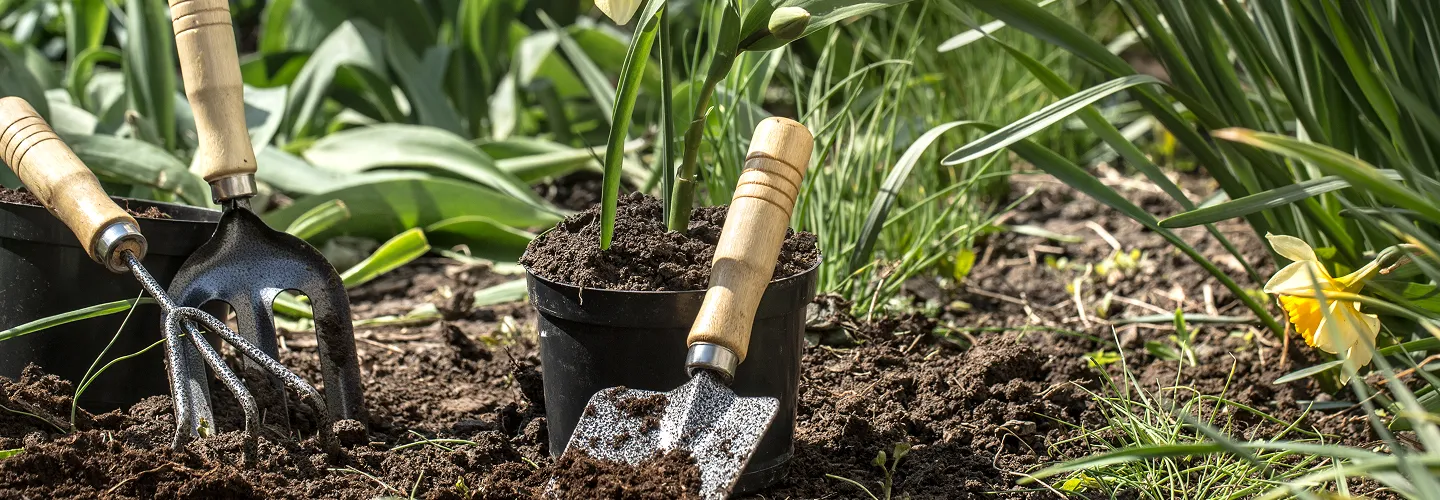
Alhambra Flower Bed Maintenance Services
Choose our Flower Bed Maintenance for expert care, vibrant blooms, and a hassle-free experience that keeps your garden looking its best season after season.
Get a Free QuoteOur Alhambra Landscaping & Yard Care Services
When to Schedule Flower Bed Maintenance in Alhambra, Arizona – Seasonal Guide
In Alhambra, Arizona, the timing of flower bed maintenance is crucial for vibrant, healthy landscapes. The region’s unique climate—marked by hot, dry summers and mild winters—means that the best periods for maintenance are typically early spring and late fall. These windows allow for planting, mulching, and pruning before the intense summer heat or after the risk of frost has passed. Neighborhoods near Grand Avenue and Encanto Park often experience microclimates, so it’s important to consider local conditions when planning your maintenance schedule.
Environmental factors such as soil composition, shade from mature trees, and the area’s susceptibility to drought all play a role in determining the optimal timing for flower bed care. For example, homes near the Arizona Canal may benefit from slightly higher humidity, while properties closer to the I-17 corridor might face more compacted soils. Always check local resources like the City of Sudbury’s environmental guidelines for up-to-date information on municipal restrictions and best practices.
Local Factors to Consider for Flower Bed Maintenance in Alhambra
- Tree density and shade coverage
- Soil type and drainage characteristics
- Proximity to water sources or irrigation systems
- Seasonal precipitation patterns
- Local frost dates and temperature fluctuations
- Municipal landscaping restrictions or guidelines
- Terrain and slope of your property
Benefits of Flower Bed Maintenance in Alhambra
Enhanced Curb Appeal
Weed and Pest Prevention
Healthier Plant Growth
Seasonal Color Variety
Professional Landscaping Expertise
Increased Property Value
Alhambra Flower Bed Maintenance Types

Seasonal Flower Planting
-
Weed Control Services
-
Soil Amendment and Fertilization
-
Mulching and Ground Cover
-
Pruning and Deadheading
-
Irrigation System Management
-
Pest and Disease Monitoring
Our Flower Bed Maintenance Process
Site Evaluation
Weed Removal
Soil Preparation
Plant Care
Mulching
Why Choose Alhambra Landscape Services
-
Alhambra Homeowners Trust Us
-
Expert Lawn Maintenance
-
Reliable Irrigation Solutions
-
Competitive Pricing
-
Professional Team
-
Satisfaction Guarantee
-
Personalized Service
Coordinating Flower Bed Maintenance with Alhambra's Municipal Programs and Services
Alhambra is a designated urban village within the City of Phoenix, and all flower bed maintenance activities on residential and commercial properties fall under Phoenix's municipal framework. Property owners and managers should be aware that green waste generated from flower bed cleanup—including spent annuals, pulled weeds, and trimmed perennials—must be disposed of in accordance with the city's bulk trash and green waste collection procedures. The Phoenix Public Works Department oversees curbside collection schedules and accepted materials. Flower bed debris should never be swept or blown into street gutters, curb inlets, or storm drains, as this contributes to stormwater contamination under the city's MS4 obligations.
- Verify your assigned bulk trash collection week through Phoenix Public Works before placing green waste curbside
- Keep organic bed debris separated from non-organic materials such as landscape fabric, plastic pots, or synthetic mulch
- Coordinate any bed renovation work near public sidewalks or rights-of-way with the city to avoid encroachment issues
Phoenix Parks and Recreation Department
Official Website: Phoenix Parks and Recreation Department
Water use associated with flower bed irrigation is managed through the Phoenix Water Services Department, which administers conservation programs and may impose drought-stage restrictions that directly affect watering schedules for ornamental beds.
How Alhambra's Low-Desert Heat and Alkaline Soils Shape Flower Bed Health
Alhambra sits squarely within the Phoenix metro low desert, classified under USDA Hardiness Zone 10a. This designation means flower beds face extreme summer temperatures regularly exceeding 110°F, minimal frost risk confined to brief December–January windows, and intense solar radiation reflected off block walls, concrete driveways, and asphalt surfaces. These conditions impose specific demands on bed maintenance that differ substantially from temperate-climate practices.
- Soil alkalinity: Alhambra's soils are predominantly alkaline, often with pH levels above 7.5, which can cause iron chlorosis in acid-loving ornamentals and limit nutrient availability without proper amendment
- Caliche layers: Subsurface caliche—ceite-like calcium carbonate hardpan—restricts root penetration and drainage, requiring assessment before deep planting or bed renovation
- Reflected heat: South- and west-facing beds adjacent to stucco walls or paved areas experience amplified heat stress, accelerating moisture loss from mulch and soil surfaces
- Irrigation dependence: With annual rainfall averaging under eight inches, flower beds in Alhambra are entirely reliant on drip irrigation systems for survival, making emitter maintenance a core component of bed care
The Arizona Department of Water Resources provides landscaping guidance that emphasizes hydrozoning and efficient irrigation design suited to these conditions.
Regulatory Requirements Affecting Flower Bed Maintenance in Alhambra Properties
Flower bed maintenance in Alhambra must comply with several layers of regulation at the city and state level. Phoenix's property maintenance code requires that landscaped areas, including flower beds, be kept free of excessive weeds, dead plant material, and accumulated debris. Code enforcement officers within the city can issue notices for neglected beds that create blight or harbor pests.
- Any chemical weed control or pest treatment applied to flower beds requires that the applicator hold appropriate certification through the Arizona Department of Agriculture – Office of Pest Management when performed commercially
- Stormwater regulations under Arizona DEQ's Phase II MS4 program prohibit allowing soil, mulch, fertilizer, or chemical runoff to enter the municipal storm sewer system during bed maintenance or renovation
- Properties adjacent to drainage channels or retention basins may face additional restrictions on soil disturbance and material placement to protect flood-control infrastructure
Arizona Department of Environmental Quality
Official Website: Arizona Department of Environmental Quality
Residents should verify current watering restrictions with Phoenix Water Services before adjusting irrigation schedules for newly planted or renovated beds, as drought-stage rules may limit outdoor watering days or hours.
Timing Flower Bed Maintenance Around Alhambra's Monsoon and Planting Seasons
Professional flower bed maintenance in Alhambra follows a seasonal rhythm dictated by the region's extreme heat and monsoon cycle. Proper timing of each maintenance task protects plant health and prevents resource waste.
- Fall planting window (October–November): The primary season for installing cool-season annuals such as petunias, snapdragons, and pansies; soil temperatures have dropped enough for root establishment before winter
- Spring transition (March–April): Remove spent cool-season flowers and prepare beds for warm-season plantings including vinca, lantana, and desert marigold before sustained heat arrives
- Deadheading and cleanup: Perform regularly throughout each growing cycle to redirect plant energy and reduce pest habitat; frequency increases during active bloom periods
- Mulch replenishment: Apply or refresh organic or decorite mulch to a depth of roughly two to three inches before summer to moderate soil temperature and reduce evaporation from drip zones
- Pre-monsoon inspection (June): Check emitter function, secure loose mulch, and remove any debris that could wash into adjacent drainage paths during July–September storm events
- Weed suppression: Apply pre-emergent treatments in late winter and again before monsoon season to reduce germination flushes triggered by summer rain
Phoenix Water Services Department
Official Website: Phoenix Water Services Department
Irrigation emitters in flower beds should be inspected monthly during summer months, as clogged or misaligned drip lines can cause rapid plant loss in Alhambra's heat.
What Neighborhoods Do We Serve Throughout Alhambra, AZ?
- Alhambra Village Core: Older residential lots with established flower beds often feature mature shade trees that create mixed-exposure planting conditions requiring careful species selection and emitter placement adjustments.
- West Alhambra: Properties near Grand Avenue corridors frequently have narrow planting strips between hardscape and structures, intensifying reflected heat on flower beds and demanding heat-tolerant cultivars.
- Solano: Mid-century residential parcels in this area commonly feature irrigated front-yard beds with aging drip systems that benefit from emitter audits and mulch renewal during seasonal transitions.
- Royal Palm: Larger lot sizes in portions of this area support more expansive flower bed layouts, though alkaline soil conditions and caliche presence require ongoing soil amendment and drainage monitoring.
- Carnation: Compact residential lots with south-facing exposures create challenging microclimates for ornamental beds, making irrigation efficiency and mulch depth critical maintenance priorities.
- North Alhambra: Properties closer to the Arizona Canal corridor may experience slightly different drainage patterns, and flower beds near retention areas should be maintained to prevent organic debris from entering stormwater infrastructure.