
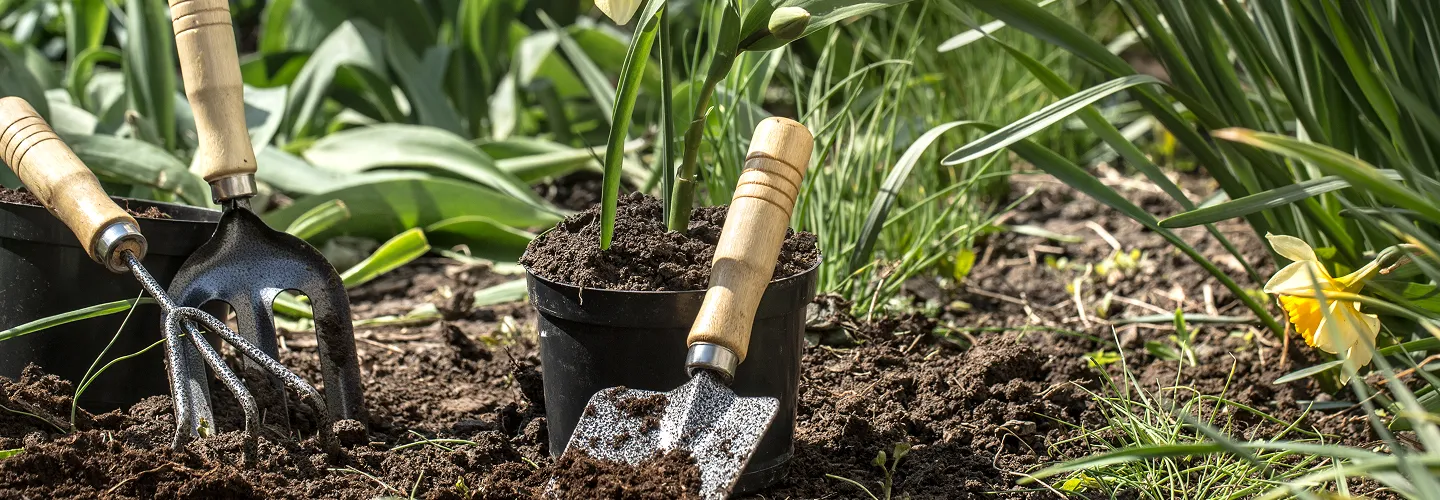
Alhambra Lawn Renovation Services
Choose our expert lawn renovation services for a lush, healthy yard that boosts your curb appeal and creates a welcoming outdoor space for your family and guests.
Get a Free QuoteOur Alhambra Landscaping & Yard Care Services
When to Schedule Lawn Renovation in Alhambra, Arizona – Seasonal Guide
Timing your lawn renovation in Alhambra, Arizona, is crucial for achieving a lush, healthy yard that thrives year-round. The best periods for renovation are typically early spring and early fall, when temperatures are moderate and the risk of extreme heat or frost is minimal. In neighborhoods like Westwood Terrace and near Alhambra Park, local microclimates can influence the ideal schedule, so it's important to consider your specific location. Alhambra’s arid climate, characterized by low humidity and sporadic rainfall, means soil moisture and drought risk are key factors. Areas with dense shade from mature trees, such as those near Grandview Avenue, may require different timing than sun-exposed lawns. Additionally, local soil types—often sandy or clay-heavy—impact how quickly lawns recover after renovation. Be sure to check for any municipal watering restrictions, which can affect when and how you renovate your lawn. For more information on local guidelines, visit the Sudbury municipal site.
Local Factors to Consider for Lawn Renovation in Alhambra
- Tree density and shade coverage
- Soil type (sandy, clay, or loam)
- Proximity to landmarks like Alhambra Park
- Seasonal precipitation patterns
- Risk of drought or frost
- Terrain and drainage characteristics
- Municipal watering or renovation restrictions
Benefits of Lawn Renovation in Alhambra
Enhanced Curb Appeal
Improved Lawn Health
Increased Property Value
Efficient Water Usage
Weed and Pest Reduction
Customized Landscaping Solutions
Alhambra Lawn Renovation Types

Sod Installation
-
Seeding and Overseeding
-
Drought-Tolerant Lawn Conversion
-
Artificial Turf Installation
-
Soil Amendment and Grading
-
Weed and Pest Removal
-
Aeration and Topdressing
Our Lawn Renovation Process
Site Evaluation
Soil Preparation
Seeding or Sodding
Watering and Fertilization
Ongoing Maintenance
Why Choose Alhambra Landscape Services
-
Alhambra Homeowners Trust Us
-
Expert Lawn Maintenance
-
Reliable Irrigation Solutions
-
Competitive Pricing
-
Professional Team
-
Satisfaction Guarantee
-
Personalized Service
Coordinating Lawn Renovation Projects with Alhambra's Municipal Departments in Phoenix
Alhambra is a designated urban village within the City of Phoenix, and lawn renovation projects in this area fall under Phoenix's municipal framework for public works, water services, and development review. Residents and property managers undertaking lawn renovation—particularly projects involving grade correction, irrigation system modifications, or soil import—should coordinate with the appropriate city departments before beginning work. When renovation activities generate green waste or displaced sod, the Phoenix Public Works Department oversees bulk collection and disposal procedures; property owners should verify current pickup schedules and material preparation requirements directly with the department.
- Irrigation system changes or new connections require coordination with Phoenix Water Services to ensure compliance with metering and backflow-prevention standards
- Grade modifications that alter drainage patterns near sidewalks, alleys, or rights-of-way may require review by the Phoenix City Engineer's office
- Green waste from turf removal must be handled according to city bulk-collection rules and kept out of storm drains and street gutters
- The Alhambra Village Planning Committee provides a forum for residents to raise neighborhood-level concerns about landscape and development activity
Phoenix Public Works Department
200 W. Washington St., Phoenix, AZ 85003
Official Website: Phoenix Public Works Department
Phoenix Water Services Department
200 W. Washington St., Phoenix, AZ 85003
Official Website: Phoenix Water Services Department
How Alhambra's Low-Desert Soil and Heat Conditions Shape Lawn Renovation
Alhambra sits within the Phoenix metro low desert, classified in USDA Hardiness Zone 10a, where summer temperatures routinely exceed 110°F and annual rainfall averages under eight inches. These conditions create a distinct set of challenges for lawn renovation that differ substantially from temperate-climate turf recovery. Soils throughout the Alhambra area are typically alkaline, often with pH levels above 8.0, and may contain caliche layers or compacted subdivision fill from mid-century residential development. Salt accumulation from repeated irrigation with mineral-rich municipal water further degrades turf health over time.
- Caliche obstruction: Hardpan caliche layers can prevent root penetration and trap water, requiring mechanical breaking or soil amendment during renovation
- Salt and sodium buildup: Prolonged irrigation concentrates salts in the root zone, necessitating leaching cycles and gypsum application as part of renovation soil correction
- Reflected heat: Block walls, concrete driveways, and asphalt streets radiate heat onto adjacent turf, accelerating stress and requiring targeted irrigation adjustments along hardscape edges
- Compacted fill soils: Many Alhambra lots were graded with imported fill during original subdivision construction, resulting in poor infiltration that must be addressed before new turf can establish
The University of Arizona Cooperative Extension provides region-specific guidance on soil testing and amendment strategies suited to low-elevation Arizona lawns.
Navigating Stormwater and Pesticide Regulations During Lawn Renovation in Alhambra
Lawn renovation in Alhambra must comply with both city and state environmental regulations, particularly regarding stormwater discharge and chemical application. Phoenix operates under a Phase II Municipal Separate Storm Sewer System (MS4) permit administered by the Arizona Department of Environmental Quality, which prohibits sediment, fertilizer, or pesticide-laden runoff from entering storm drains, curb inlets, or drainage channels. During renovation activities that expose bare soil—such as sod removal, grading, or tilling—property owners and contractors must implement erosion controls to prevent sediment from migrating off-site.
- Any commercial applicator applying herbicides, fungicides, or insecticides during lawn renovation must hold valid certification through the Arizona Department of Agriculture
- Fertilizer and soil amendments should not be applied immediately before forecast monsoon storms to avoid nutrient-laden runoff
- Exposed soil areas must be stabilized promptly through sodding, seeding, or temporary cover to meet Clean Water Act intent for non-point source pollution prevention
- Verify current watering restrictions with Phoenix Water Services, as irrigation schedules during turf establishment may need to align with drought-stage conservation rules
Phoenix City Engineer
200 W. Washington St., Phoenix, AZ 85003
Official Website: Phoenix City Engineer
Timing and Methods for Effective Lawn Renovation in Alhambra's Climate
Professional lawn renovation in Alhambra follows a seasonal framework dictated by bermudagrass growth cycles and extreme summer heat. The Turfgrass Maintenance Guide for Low Elevation Arizona identifies late spring through early summer as the primary window for bermudagrass renovation, when soil temperatures consistently exceed 80°F and active growth supports rapid recovery. Renovation during peak summer heat above 115°F is generally avoided due to transplant shock and excessive evaporative water loss.
- Soil correction: Core aeration to roughly 2–3 inches of depth, followed by topdressing with washed sand or compost, addresses compaction and improves infiltration before replanting
- Grade repair: Low spots that pond water and high spots prone to scalping should be leveled using compatible fill material, then firmed before sodding or seeding
- Irrigation audit: Existing sprinkler systems should be evaluated for head-to-head coverage, pressure uniformity, and scheduling efficiency before new turf is installed; broken or misaligned heads waste water and create uneven establishment
- Salt remediation: Where soil tests confirm elevated sodium or electrical conductivity, a pre-plant leaching program with gypsum incorporation helps restore a viable root-zone environment
- Overseeding context: Properties that maintain winter ryegrass should plan renovation timing to allow bermudagrass full recovery before the October–November overseeding window
What Neighborhoods Do We Serve Throughout Alhambra, AZ?
- Alhambra Village Core: Older residential lots with established bermudagrass lawns often exhibit compacted soils and aging flood-irrigation infrastructure requiring comprehensive renovation
- Country Club Park: Mid-century homes with mature shade trees create mixed sun-and-shade turf conditions that demand species-appropriate renovation strategies
- Westwood Village: Properties near Grand Avenue corridors experience elevated reflected heat from commercial hardscape, intensifying turf stress along property edges
- Maryvale Terrace (eastern edge): Lots adjacent to the Alhambra Village boundary feature varied soil profiles from successive development phases, often requiring soil testing before renovation
- Royal Palm neighborhood: Larger residential parcels with established irrigation systems benefit from full irrigation audits as part of any lawn renovation scope
- North of Camelback Road sections: Properties closer to the Arizona Canal corridor may encounter higher water tables and different drainage behavior affecting renovation grading decisions