
Alhambra Pruning Services
Choose our professional pruning services for precise, reliable care that enhances your landscape’s beauty, promotes healthy growth, and protects your property—trusted by Alhambra homeowners for exceptional results.
Get a Free QuoteOur Alhambra Landscaping & Yard Care Services
When to Schedule Pruning in Alhambra, Arizona – Seasonal Guide
Pruning in Alhambra, Arizona, is best scheduled with careful attention to our region’s unique climate and landscape. The optimal times for pruning are typically late winter through early spring, just before new growth begins. This timing helps minimize plant stress and reduces the risk of disease, especially important in neighborhoods like Westwood Terrace and near the Grand Canal, where mature shade trees are common. Alhambra’s mild winters mean frost risk is lower than in northern Arizona, but occasional cold snaps can still occur, so it’s wise to monitor local frost dates before scheduling major pruning work.
Local environmental factors such as drought risk, soil composition, and humidity levels also play a significant role in determining the best pruning schedule. For example, areas near Washington Park may experience higher humidity and denser tree canopies, while properties closer to the I-17 corridor often have more compacted, alkaline soils. Homeowners should also be aware of municipal guidelines and seasonal water restrictions, which can impact when and how pruning services are performed. For more information on local regulations, visit the official city resource.
Local Factors to Consider for Pruning in Alhambra
- Tree density and species diversity in your neighborhood
- Proximity to landmarks like Grand Canal or Washington Park
- Seasonal precipitation and drought risk
- Soil type (alkaline, compacted, or sandy)
- Shade coverage and sun exposure
- Municipal restrictions or HOA guidelines
Benefits of Pruning in Alhambra
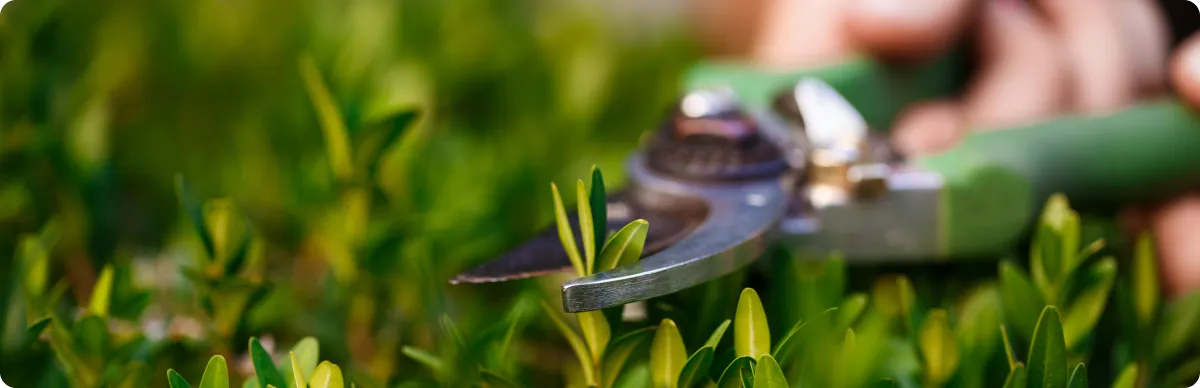
Enhanced Plant Health
Improved Curb Appeal
Increased Sunlight Exposure
Pest and Disease Prevention
Promotes New Growth
Professional and Reliable Service
Alhambra Pruning Types

Crown Thinning
-
Crown Raising
-
Crown Reduction
-
Deadwooding
-
Formative Pruning
-
Pollarding
-
Topiary Shaping
Our Pruning Process
Site Evaluation
Plant Selection
Targeted Pruning
Debris Removal
Final Inspection
Why Choose Alhambra Landscape Services
-
Alhambra Homeowners Trust Us
-
Expert Lawn Maintenance
-
Reliable Irrigation Solutions
-
Competitive Pricing
-
Professional Team
-
Satisfaction Guarantee
-
Personalized Service
Coordinating Pruning Services with Alhambra's Municipal Parks and Public Works Programs
Alhambra is a designated urban village within the City of Phoenix, and all pruning activity on public rights-of-way, parkway strips, and city-maintained landscapes falls under Phoenix municipal oversight. Property owners and managers should be aware that trees or shrubs extending over sidewalks, alleys, or streets may be subject to clearance requirements enforced through the city's code compliance process. When pruning generates significant volumes of green waste, residents must follow Phoenix bulk trash collection guidelines, which govern how cut branches and organic debris are placed curbside for pickup. Verify current collection schedules and bundling requirements directly with the city before placing material at the curb.
- Trees along public rights-of-way may require coordination with the city before pruning
- Green waste from pruning must comply with Phoenix bulk trash placement rules
- The Phoenix Parks and Recreation Department manages urban forestry standards for public-facing landscapes
- Property managers in Alhambra Village should consult the village planning committee for any site-specific landscape guidance
Phoenix Parks and Recreation Department
Official Website: Phoenix Parks and Recreation Department
Phoenix Public Works Department
Official Website: Phoenix Public Works Department
How Alhambra's Low-Desert Heat and Alkaline Soils Affect Pruning Outcomes
Alhambra sits within the Phoenix metro low desert, classified under USDA Hardiness Zone 10a, where summer temperatures routinely exceed 110°F and winter frost events are infrequent but possible. These conditions directly influence how trees and shrubs respond to pruning cuts. Exposed inner bark and freshly opened canopy areas are vulnerable to sunscald, particularly on species such as citrus, ficus, and mesquite when pruned during peak summer months. Soils throughout much of Alhambra tend toward alkaline sandy loam, often underlain by caliche hardpan, which restricts root depth and limits the tree's ability to recover from aggressive pruning. Reflected heat from block walls, concrete driveways, and asphalt intensifies canopy stress on the south and west sides of structures.
- Alkaline soils with pH levels commonly above 7.5 reduce nutrient uptake during recovery
- Caliche layers may concentrate roots near the surface, making trees more sensitive to canopy reduction
- Monsoon winds from July through September can exploit weak branch unions left by improper cuts
- Irrigation dependence means pruning timing must account for the tree's water status and active transpiration load
Navigating Alhambra's Regulatory Framework for Tree and Shrub Pruning
Pruning on private residential property in Alhambra does not typically require a city permit, but several regulatory layers may apply depending on the scope and location of the work. Properties adjacent to designated washes, flood-control channels, or retention basins should verify whether vegetation removal or significant canopy reduction triggers review through the Phoenix City Engineer office, particularly where root systems contribute to bank stabilization. The Alhambra Village Planning Committee addresses land-use and development matters that may intersect with landscape requirements on commercial or multifamily parcels.
- Pruning debris must not be deposited into storm drains, washes, or retention basins, consistent with Arizona DEQ stormwater regulations and federal Clean Water Act provisions
- Commercial applicators using any chemical wound sealant or pest treatment in conjunction with pruning must hold appropriate credentials under Arizona Department of Agriculture licensing
- Sight-triangle clearance along streets and intersections is enforced by Phoenix code compliance; verify current clearance heights with the city before pruning street-adjacent trees
Arizona Department of Environmental Quality
Official Website: Arizona Department of Environmental Quality
Timing Pruning Around Alhambra's Monsoon Season and Extreme Summer Heat
Professional pruning standards in the low desert require careful attention to seasonal windows. For most desert-adapted species—including palo verde, mesquite, and ironwood—structural pruning is best performed during late winter dormancy or early spring before temperatures climb above 100°F. Pruning during active summer growth exposes interior wood to intense solar radiation and increases the risk of sunburn damage. Deadwood removal and hazard reduction, however, should be completed before the monsoon season begins in late June, as high winds during microbursts can turn dead branches into projectiles.
- Late February through April is generally the preferred window for structural pruning of most desert trees
- Citrus pruning should avoid both the coldest winter weeks and the hottest summer months
- Oleander and bougainvillea tolerate pruning after spring bloom cycles but should not be cut back heavily during monsoon
- All cuts should follow the branch collar method; flush cuts and topping are recognized as harmful practices by Arizona Community Forestry & Tree Care standards
- Irrigation should be evaluated before and after pruning to ensure the reduced canopy does not lead to overwatering at the root zone
What Neighborhoods Do We Serve Throughout Alhambra, AZ?
- Alhambra Village Core — Mature residential lots with established shade trees including ash, mulberry, and citrus that require regular structural pruning and deadwood management.
- Country Club Park — Older irrigated properties with dense canopy cover and large ornamental trees that benefit from thinning to improve air circulation before monsoon season.
- Westwood Village — Mid-century homes with mixed desert and non-native plantings where pruning must account for reflected heat from narrow lot setbacks and block walls.
- Colter Park Area — Properties near park frontage with mature landscaping that may require coordination with city right-of-way clearance standards.
- Monte Vista — Established neighborhood with diverse tree species including mesquite and palo verde where structural pruning supports wind resistance during summer storms.
- Royal Palm — Residential parcels with palm species and ornamental shrubs requiring species-specific pruning timing to avoid cold-damage exposure in winter months.